Samples sent to BMT laboratory include the following:
-
Bone Marrow Aspiration (BMA)
Bone marrow aspiration is a method of collecting and analyzing bone marrow (spongy tissue inside some large bones). A bone marrow aspiration indicates
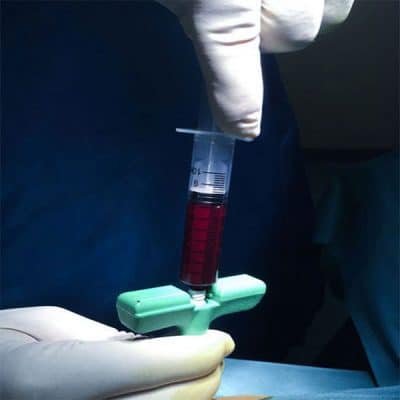
whether the bone marrow is healthy and making enough blood cells or not.
medicines specialists analyze the bone marrow aspiration to diagnose and treat blood and bones marrow disorders, such as Leukemia and lymphomas.
To perform aspiration, the doctor makes a small incision to make it easier to insert the needle. A needle is inserted through the bone into the bone marrow.
The sample (for all tests) must be sent to the laboratory in a tube containing EDTA anticoagulant and under the condition of keeping the cold chain. (If the sample is sent from other cities, the cold chain must be maintained and finally the sample must be delivered to the laboratory up to 24 hours after sampling. Also, freezing of the sample must be prevented, freezing or heat causes death. and the loss of morphology and protein markers of blood cells).
-
Peripheral blood sample (PB)
Peripheral blood or whole blood has many blood cells that include erythrocytes (red blood cells), leukocytes (white blood cells) and platelets and
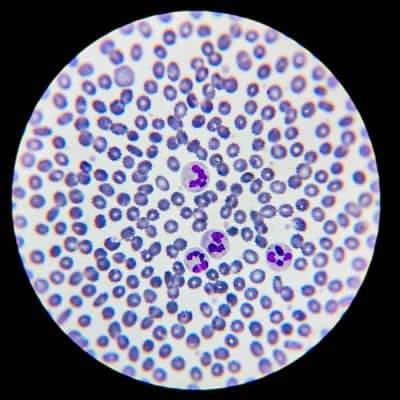
which are soluble in plasma. In general, the main component of plasma is water, but proteins, glucose, ions, hormones and Coagulation factors are also among its components.
Peripheral blood is sent to the bone marrow transplant laboratory for the diagnosis and follow-up of blood disorders and blood malignancies, as well as the HLA-Typing molecular test for the bone marrow transplant process.
- The sample should be sent to the laboratory in the same way as the bone marrow aspirate sample, inside the tube containing EDTA anticoagulant and under the condition of keeping the cold chain. (If the sample is sent from other cities, the cold chain must be maintained and finally the sample must be delivered to the laboratory up to 24 hours after sampling. Also, freezing of the sample must be prevented, freezing or heat causes cell death and loss of morphology and protein markers of blood cells).



 فارسی
فارسی