Blood Stem Cells Transplant Therapy

Hematopoietic stem cell transplantation (HSCT) is one of the most effective treatment strategies for various malignant and non-malignant blood disorders.

In the transplant process, the unhealthy bone marrow is replaced with healthy stem cells; and finally, new and healthy blood cells are generated and enter the bloodstream.

By using this treatment strategy, the bone marrow transplantation ward of Taleghani Hospital constantly attempts to improve the patient health.

HSCT is an effective treatment for several hematological (blood) and non-hematological (non- blood) malignancies.

Blood malignancies are the primary diseases that can be treated by hematopoietic stem cell transplantation.

There are different sources of stem cells for transplantation, among which we can mention bone marrow, peripheral blood, and umbilical cord blood.


Various Type of Hematopoietic Stem Cell Transplantation

Allogeneic transplantation: In this process, hematopoietic stem cells are obtained fromanother person (a donor).

This person can be one of the family members or someone from the Hematopoietic Stem Cell Bank in Iran or the World who has a genetic similarity with the patient.

In this type of transplantation, finding the appropriate compatible donor is essential. Autologous transplantation: In this method, hematopoietic stem cells are obtained from the patient him/herself.

Therefore, the disease must be in the silent phase, or the patient bome marrow is not involved. In some cases, after the bone marrow is cleared of malignant cells usingchemotherapy, stem cells are obtained from the patient. The type of transplantation is determined by the physicians of the transplantation team based onthe type of disease, the bone marrow condition, having an appropriate donor, and the patient & physical condition.

In the past, the hematopoietic stem cells were directly obtained from the donor &bone marrow. Nowadays, obtaining hematopoietic stem cells from the bone marrow has been facilitated by mobilizing the stem cells from the bone marrow into the peripheral blood using drugs such as GCSF.

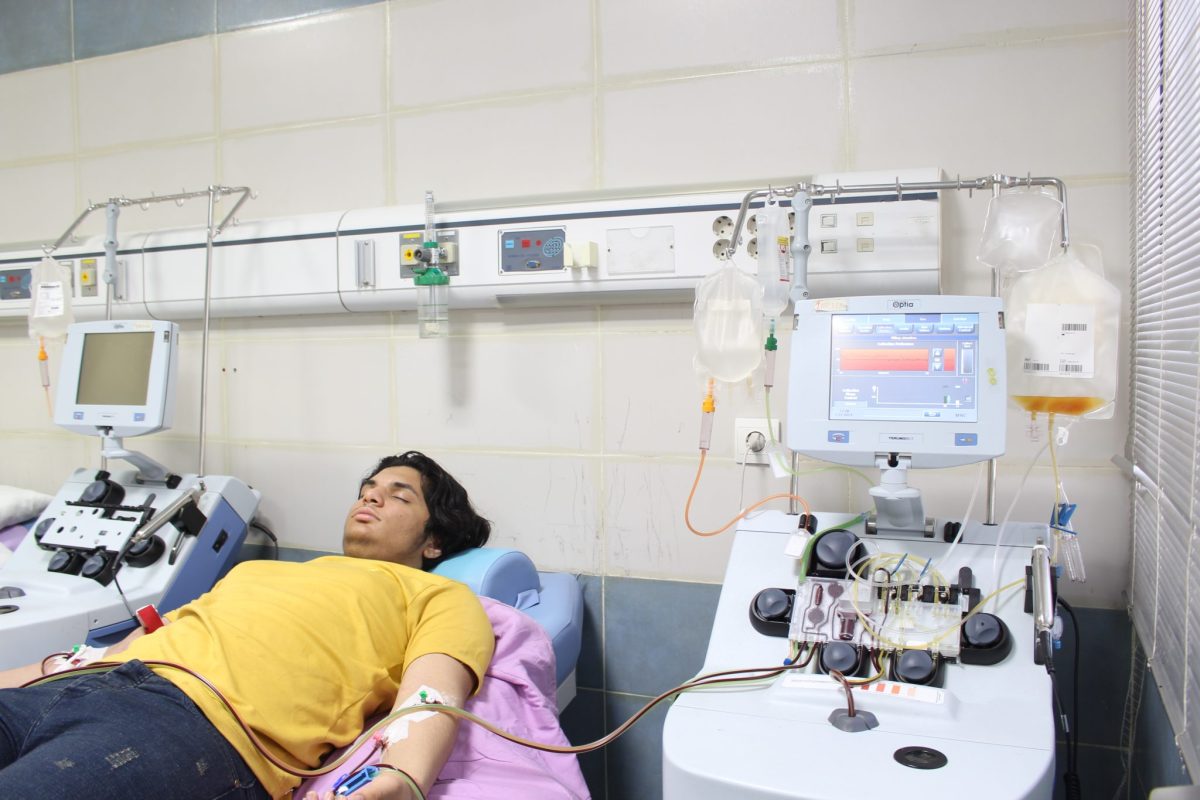
In the next step, the stem cells mobilized to the bloodstream are collected from the donor&bloodstream by apheresis process and, finally, transferred to the patient& (transplant recipient) body.

This type of HSCT is called peripheral blood hematopoietic stem cell transplantation (PBHSCT).

In the first stage of HSCT, malignant (cancerous) cells are cleaned and removed from the patient body via chemotherapy.

In other words, chemotherapy destroys ineffective and malignant bone marrow in the patients body. In the next step, healthy hematopoietic stem cells are obtained from the patient him/herself (if the bone marrow is not involved with the disease) or otherwise from a healthy and compatible donor and then transferred to the patient& body.

When the stem cells are transplanted to the patient (transplant recipient), they are replaced in his/her bone marrow and generate new and healthy blood cells.

Bone marrow, the spongy tissue found in some bones, is the residence of hematopoietic stem cells, which produce different types of blood cells. Currently, HSCT is an approach to treating blood diseases, Including: 

Hodgkin Lymphoma (HD) and Non-Hodgkin Lymphoma (NHL) · Multiple Myeloma (MM) · Aplastic Anemia (AA) · Acute Myeloid Leukemia (AML) and Acute Lymphocytic Leukemia (ALL)
Cure Procedure

First step: Cell isolation

Depending on the patient condition, HSCT is performed in two ways: allogeneic (from a donor) or autologous (the patient him/herself).
In allogeneic transplants, the donor receives G-CSF for several consecutive days to mobilize stem cells from the bone marrow to the peripheral blood.
The donor is then connected to an Apheresis machine to extract the stem cells from his/her blood.
These cells are collected in a special bag and transplanted into the patient. So far, there is no scientific evidence for the risk of donating hematopoietic stem cells to the donor.
In autologous transplantation, hematopoietic stem cells are obtained from the transplant recipient (patient him/herself) if the patient bone marrow is healthy.
Then the patient receives G-CSF, undergoes the Apheresis process, and hematopoietic stem cells are collected from the peripheral blood and reinfused to him/her during the transplant process.
About The Bone Marrow Transplant Sector

Second Stage: Hematopoietic stem cell transplantation

Conditioning Regimen: Before injecting hematopoietic stem cells into the patient, to prepare his/her body to accept the transplant, the patient undergoes a particular treatment regimen called conditioning regimen, depending on the type of disease and existing conditions.

This period may last between 1 and 4 days. Infusion of hematopoietic stem cells (hematopoietic stem cell transplantation):

The hematopoietic stem cells are usually injected 12-14 hours after the last day of the conditioning regimen through a catheter. Based on the number of stem cell bags, the injection takes 3-6 hours.

A nurse injects the stem cells, assesses the patient vital signs, and performs physical examinations throughout the injection period.

The Third step: Engraftment

Neutropenia: Typically, 5-7 days following the conditioning regimen termination and transplantation, the white blood cells, especially the neutrophils, decrease and reach their lowest level between 0-100, called neutropenia.

At this stage, the patient&immune system is attenuated, and even normal body microbes can be pathogenic for him/her.

Therefore, considering the principles of personal hygiene is vital at this stage. At this point, the patient may be sick and frailand feel weakness, tiredness, nausea, vomiting, and diarrhea.

Other symptoms of transplant recipients are oral ulcers (mucositis), fever, and anemia.

About The Bone Marrow Transplant Sector

Engraftment

11-20 days after injection, hematopoietic stem cells are usually homing in their niche in the bone marrow and begin to expand, differentiate and generate new blood cells.

At this stage, it can be said that the transplantation (engraftment) has occurred successfully.

The patient may need periodic red blood cells and platelet infusions until the engraftment is complete. Following engraftment, when the number of white blood cells and platelets reaches over 1,000 and 20,000, respectively, the patient will be gradually ready to discharge.

It should be noted that during weeks following transplantation and through hospitalization in the bone marrow transplantation (BMT) ward, regular blood tests and other assessments are performed to monitor the patient condition.

The patient may need medication for side effects such as nausea and diarrhea. The transplanted patient will be under supreme medical care and treated in case of complications like infection, GVHD, or other complications.

Fourth step: Discharge:

The patient is ready for discharge after the transplantation committee confirms durable engraftment and proper physical health status.

Before discharge, the surgeon removes the catheter, and the nurse orients the patient to take oral medications, implements hygiene principles, and optimizes the isolation condition.

Besides, these discharge instructions are also provided as a comprehensive and complete booklet for the patient and his/her family. It is recommended that patients and their families read this booklet carefully.

Depending on the type of transplant and the possible risk of complications, it is suggested that the patient reside adjacent to the hospital for several weeks or months for close monitoring.

Fifth step: Follow-up of Patients

After discharge, the patients follow up under the regular supervision of the BMT  committee in the transplant clinic.

In all follow-up steps, the cooperation of the patient, as the primary member of the transplantation team, with the medical staff is essential.

Patients can help the medical staff by performing hygiene principles and having proper nutrition, which are essential principles.

Months to years after the transplant, the patient may be at risk of infection or other complications; Therefore, the patient should be under his/her physician supervision regularly for a lifetime to check the late complications and prevent their occurrence.

Medications

In the case of allogeneic stem cell transplantation, medications are applied to prevent graft-versus-host disease (GVHD) and to reduce the immune system response.

These drugs, called immunosuppressive drugs, make the patient somewhat susceptible to infection.

Following transplantation, it takes time for the patient  immune system to recover; Therefore, during this period, the patient may receive medications to prevent infection.

Diet and Other lifestyle Factors

After the bone marrow transplantation, depending on the type of transplant, a wide range of foods will be prohibited for some time.

The BMT ward  nutritionist gives the patients the required comments about post-transplantation nourishment. The patient should adjust his/her diet to stay healthy and prevent excessive weight gain.

Eating foods like raw fruits and vegetables, unpasteurized dairy products, honey, dates, herbs, and commercial food and sweets is forbidden due to the risk of infection.

Besides, compounds containing coffee and cocoa are prohibited due to drug interference.

After transplantation, regular physical activity helps the patients control their weight, strengthen their bones, increase their stamina and muscles, and keep their hearts healthy.Following complete remission, the patients can gradually increase their physical activity.

After transplantation, prohibiting smoking, drinking alcohol, and abusing drugs are vital to improving blood cell regeneration and preventing disease recurrence. Sunscreen is obligatory to protect the skin, especially in patients who have received allogenic transplants.

Which diseases will be curred with this treatment?

Hematopoietic stem cell transplantation, like other treatment methods, may be associated with risks.

The risks and complications of this treatment depend on many factors. The type of disease, the type of transplant, the patient age, physical health status, and the appropriate donor (in allogeneic transplantations) influence the possible risks of hematopoietic stem cell transplantation.

Some people experience minimal complications, while others may have serious complications that require treatment or hospitalization. Sometimes these complications are life-threatening.

Currently, hematopoietic stem cell transplantation is part of the process of treating blood diseases; Including:

(Aplastic Anemia (AA)) Aplastic anemia of adrenoleukodystrophy (Multiple Myeloma (MM)) (Hodgkin Lymphoma (HD),Non-Hodgkin’s Lymphoma (NHL))

Risks

Based on clinical experience and considering the risks and benefits of this treatment method for the patient, the transplant medical team recommends the transplant to the patient; but in the end, the patient (transplant recipient) and his family will consciously make the final decision to perform the transplant.
Possible complications of bone marrow transplantation include:
Graft rejection Organ failure Infections Cataracts Graft versus host disease

One of the most serious complications of hematopoietic stem cell transplantation is a complication called GVHD or graft versus host disease.

If hematopoietic stem cells are received from a donor (allogeneic transplant), the patient may be at risk of developing graft-versus-host disease (GVHD).

This situation occurs when the cells of the immune system present in the transplanted cells identify the tissues and organs of the patient’s body as foreign and attack them.

GVHD can occur in both acute and chronic forms. Acute GVHD usually occurs in the first months after transplantation ,and mainly affects the skin, gastrointestinal tract, or liver. Chronic GVHD usually develops later and can affect many organs.

The Researches of This Center

Why Taleghani Hospital?

The Bone Marrow Transplant Department of Taleghani Hospital is under the supervision of Dr. Abbas Haji Fathali, who tries to help patients with his experienced medical team and research team.

The transplant team has more than ten years of experience, and with expertise in different fields, especially hematopoietic stem cells, hematology, immunology, oncology, etc., as well as interacting with patients, they provide the best services to those who need this type of treatment.

In the video below, you can observe the the patient’s satisfaction.

Patient satisfaction

“click on the play kea”

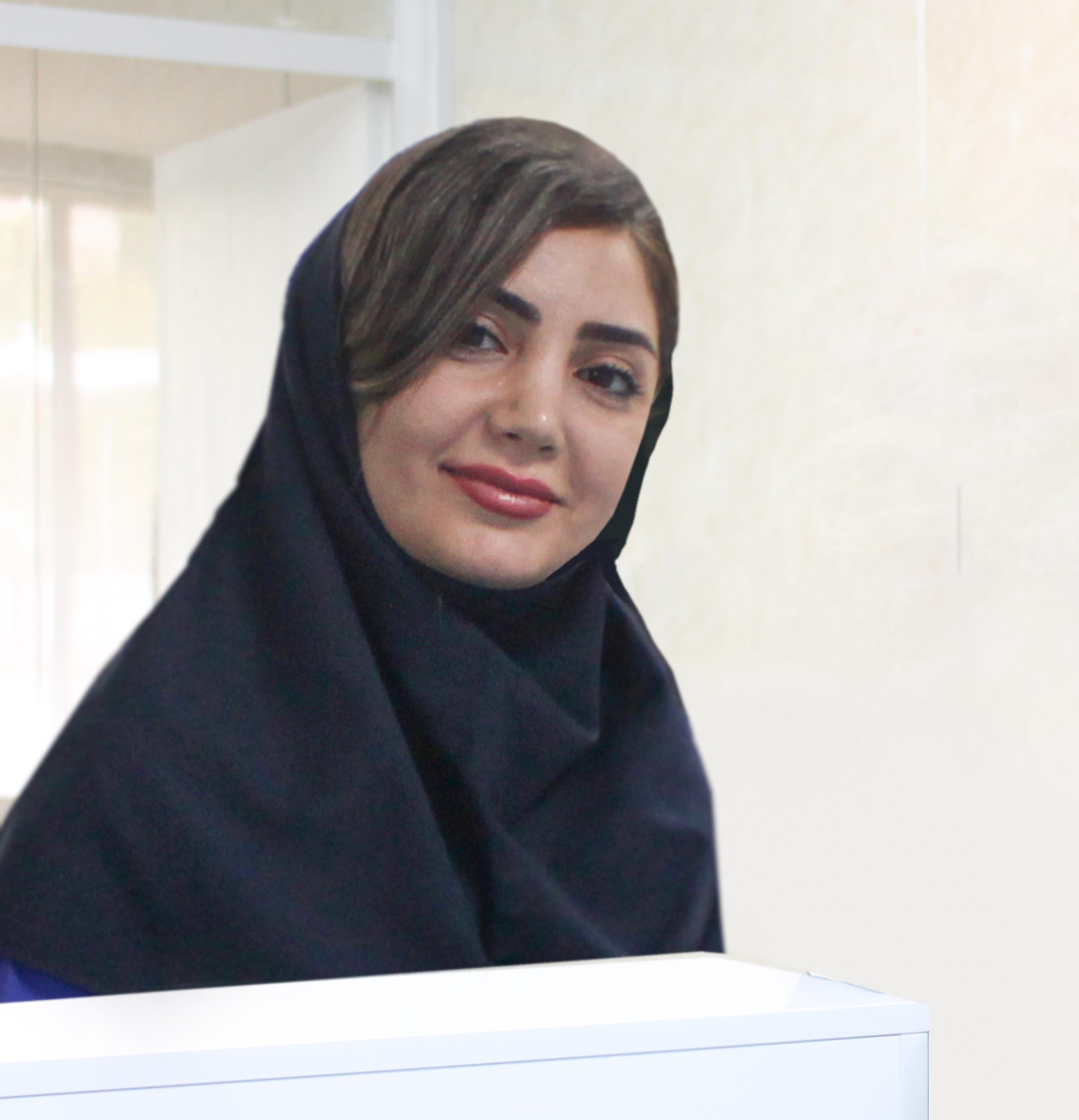
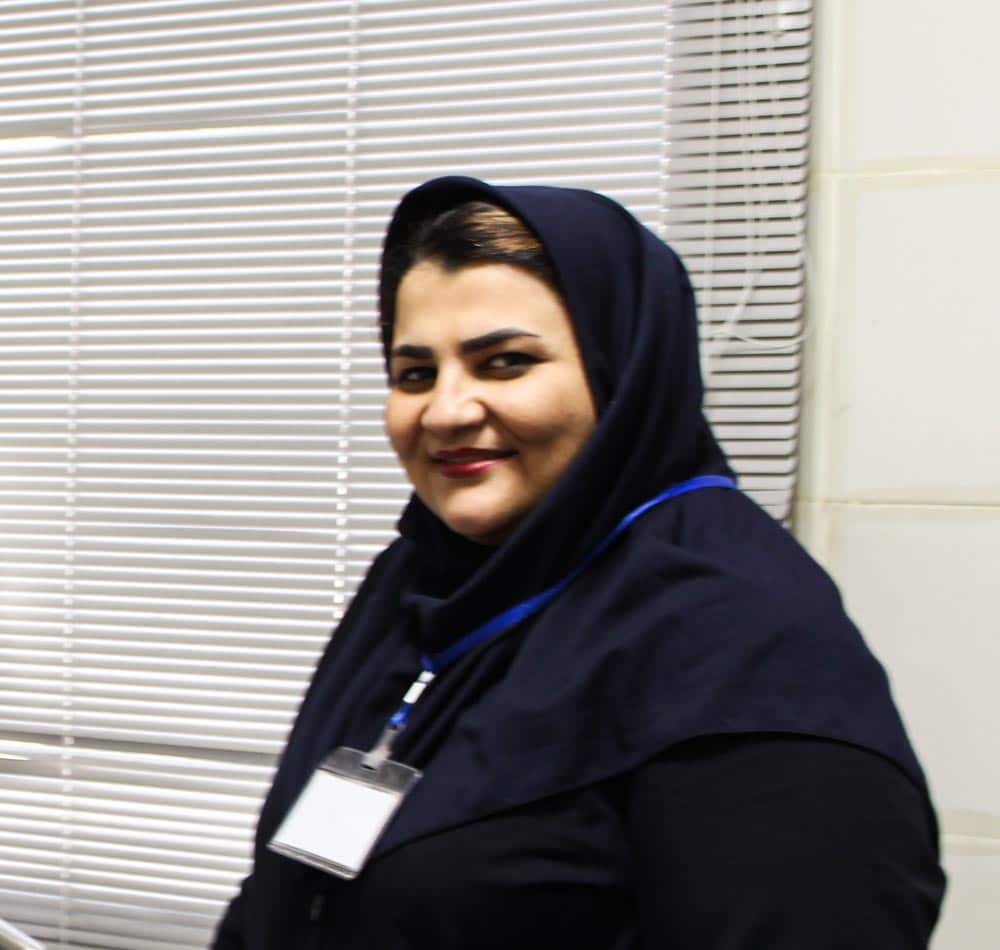
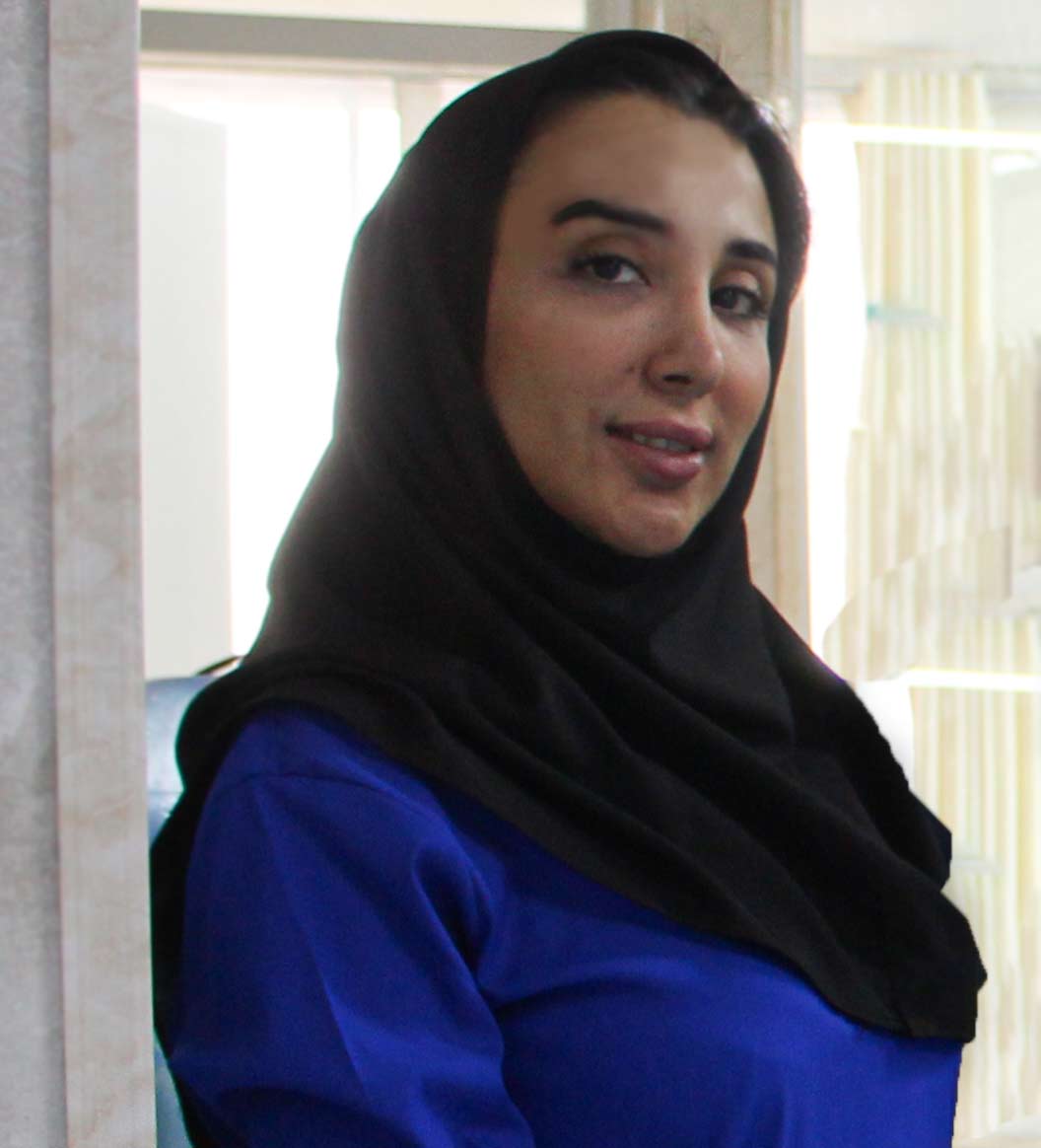
Membwers of Bone Marrow Transplant Sector

دکتر عباس حاجی فتحعلی

Dr. A. Hajifathali
Head of Bone Marrow Transplant, Cell Therapy and Hematopoietic Stem Cell Research Center

Dr.M. Mehdizadeh
Specialist in blood and cancer (hematology-oncology) for children

dR. SAHAR PARKHIDEH
SENIOR SPECIALIST IN BLOOD DISEASES AND ADULT CANCER

dr.SAYEH pARKHIDEH
Senior specialist in blood diseases and adult cancer

Dr. Elham Roshandel, Ph.D. in hematology and technical manager of transplant laboratory

Dr. E.Roshandel
Vice President of the Center and Doctor of Hematology

dR.Hoda Al-Sadat Zahedi
PHD nutrition

Dr. Maria Tavakli
Pharmacist doctor

Zainab Al-Sadat Kabuli
Head nurse of transplant department

Maryam Abbasi
Nurse

Taraneh Ehsani
Psychologist

Nasreen Alinjad
Nurse

MaedEh Khorsandi
Nurse

Maryam Khajadehi
Nurse

Maryam Abbasi
Nurse

FaridEh Rahimian
Nurse

Parisa Anvari
Nurse

Sakineh Khalidi
Nurse

Parisa Anvari
Nurse

Maryam Abbasi
Nurse

Patients Number in 2023:    214

Patients Number in 2022:   425

Projects Number:      65462

International Projects:  5  

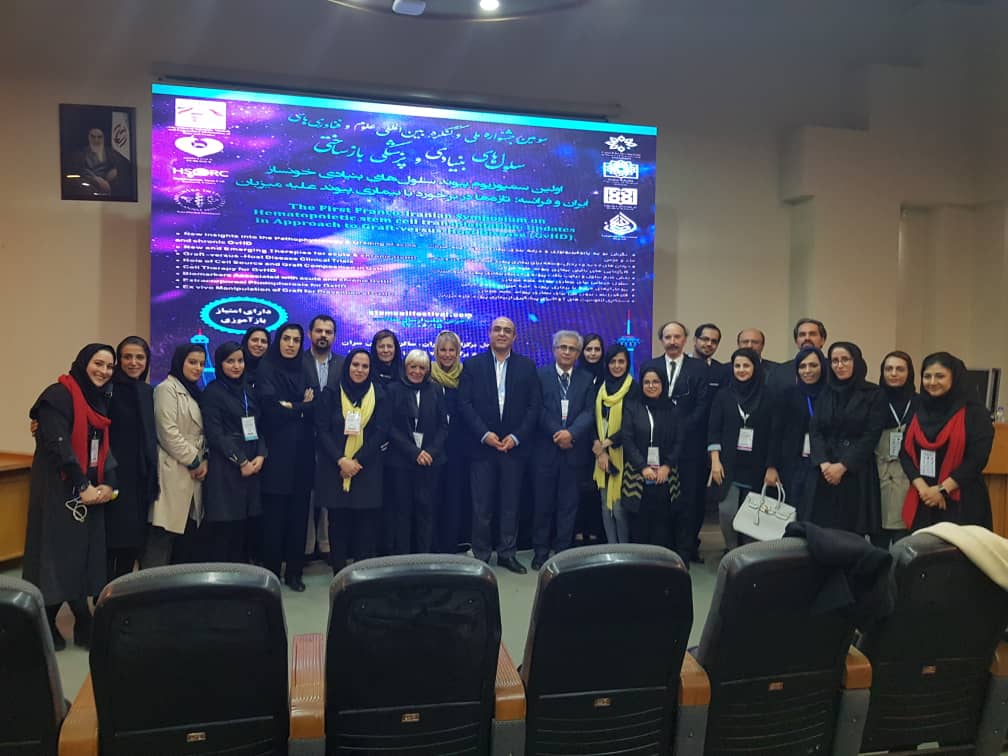
Picture Gallery