In the past, the hematopoietic stem cells were directly obtained from the donor &bone marrow. Nowadays, obtaining hematopoietic stem cells from the bone marrow has been facilitated by mobilizing the stem cells from the bone marrow into the peripheral blood using drugs such as GCSF.
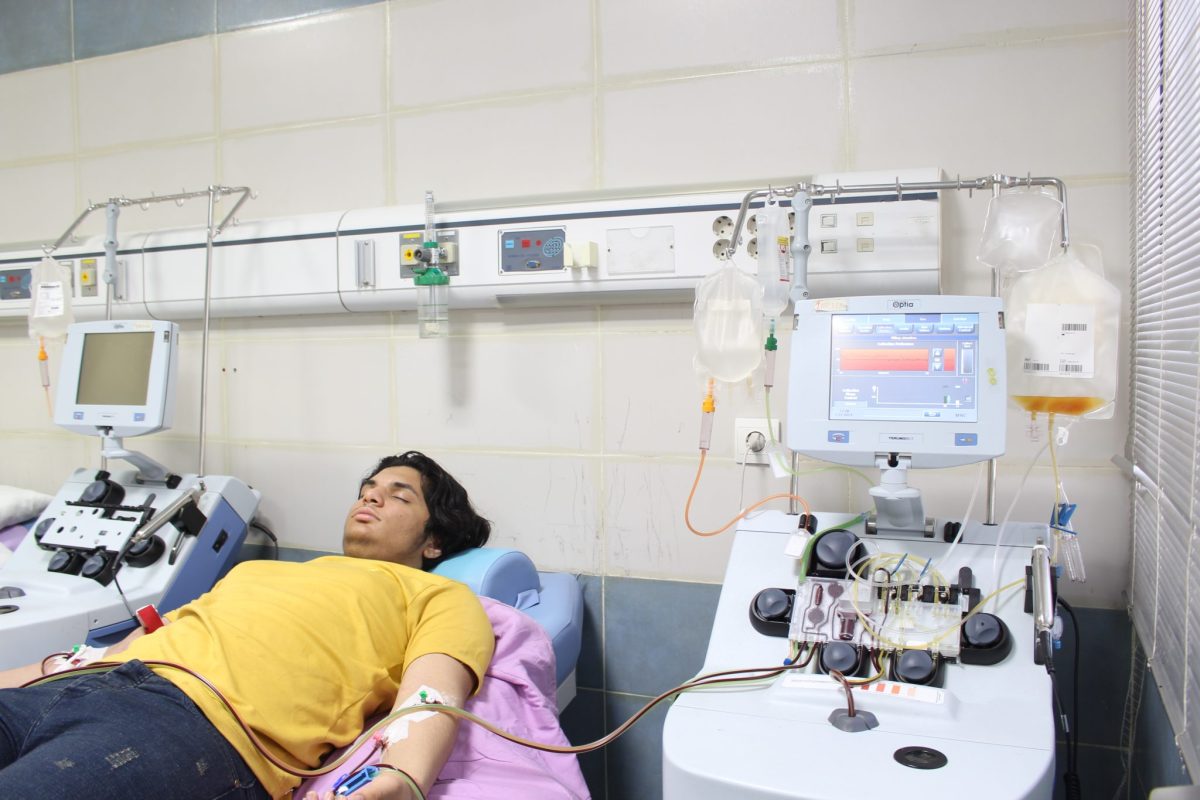
In the next step, the stem cells mobilized to the bloodstream are collected from the donor&bloodstream by apheresis process and, finally, transferred to the patient& (transplant recipient) body.
This type of HSCT is called peripheral blood hematopoietic stem cell transplantation (PBHSCT).
In the first stage of HSCT, malignant (cancerous) cells are cleaned and removed from the patient body via chemotherapy.
In other words, chemotherapy destroys ineffective and malignant bone marrow in the patients body. In the next step, healthy hematopoietic stem cells are obtained from the patient him/herself (if the bone marrow is not involved with the disease) or otherwise from a healthy and compatible donor and then transferred to the patient& body.
When the stem cells are transplanted to the patient (transplant recipient), they are replaced in his/her bone marrow and generate new and healthy blood cells.
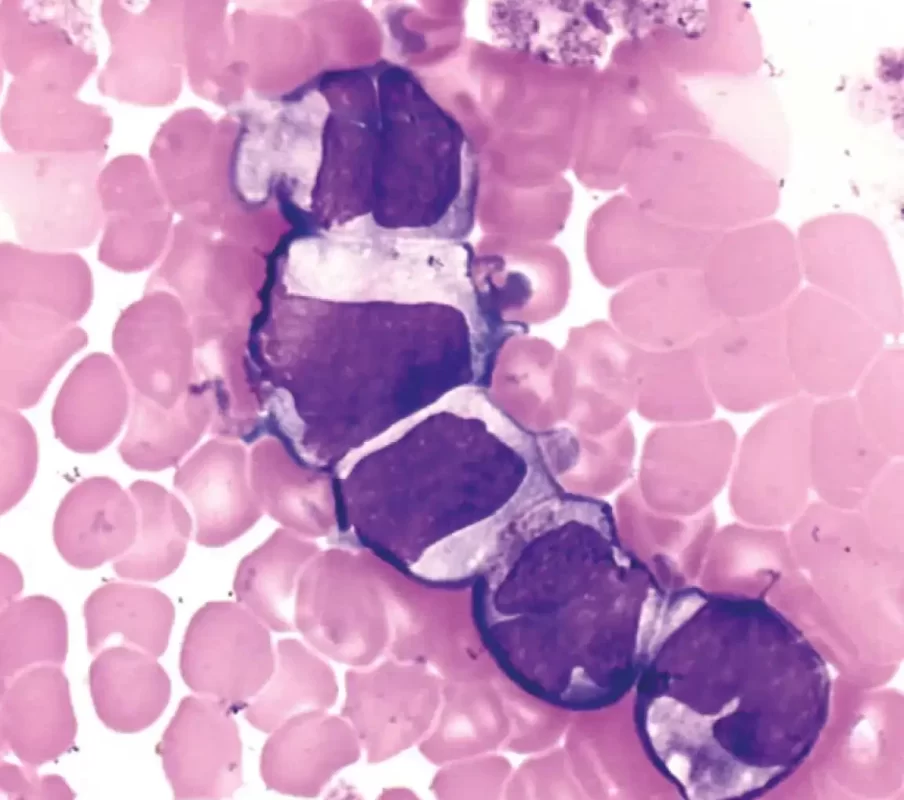
Bone marrow, the spongy tissue found in some bones, is the residence of hematopoietic stem cells, which produce different types of blood cells. Currently, HSCT is an approach to treating blood diseases, Including:
Hodgkin Lymphoma (HD) and Non-Hodgkin Lymphoma (NHL) · Multiple Myeloma (MM) · Aplastic Anemia (AA) · Acute Myeloid Leukemia (AML) and Acute Lymphocytic Leukemia (ALL)


 فارسی
فارسی